BLOG
human albumin injection side effects
Human Albumin Injection Side Effects: What Patients and Healthcare Professionals Should Know
Introduction
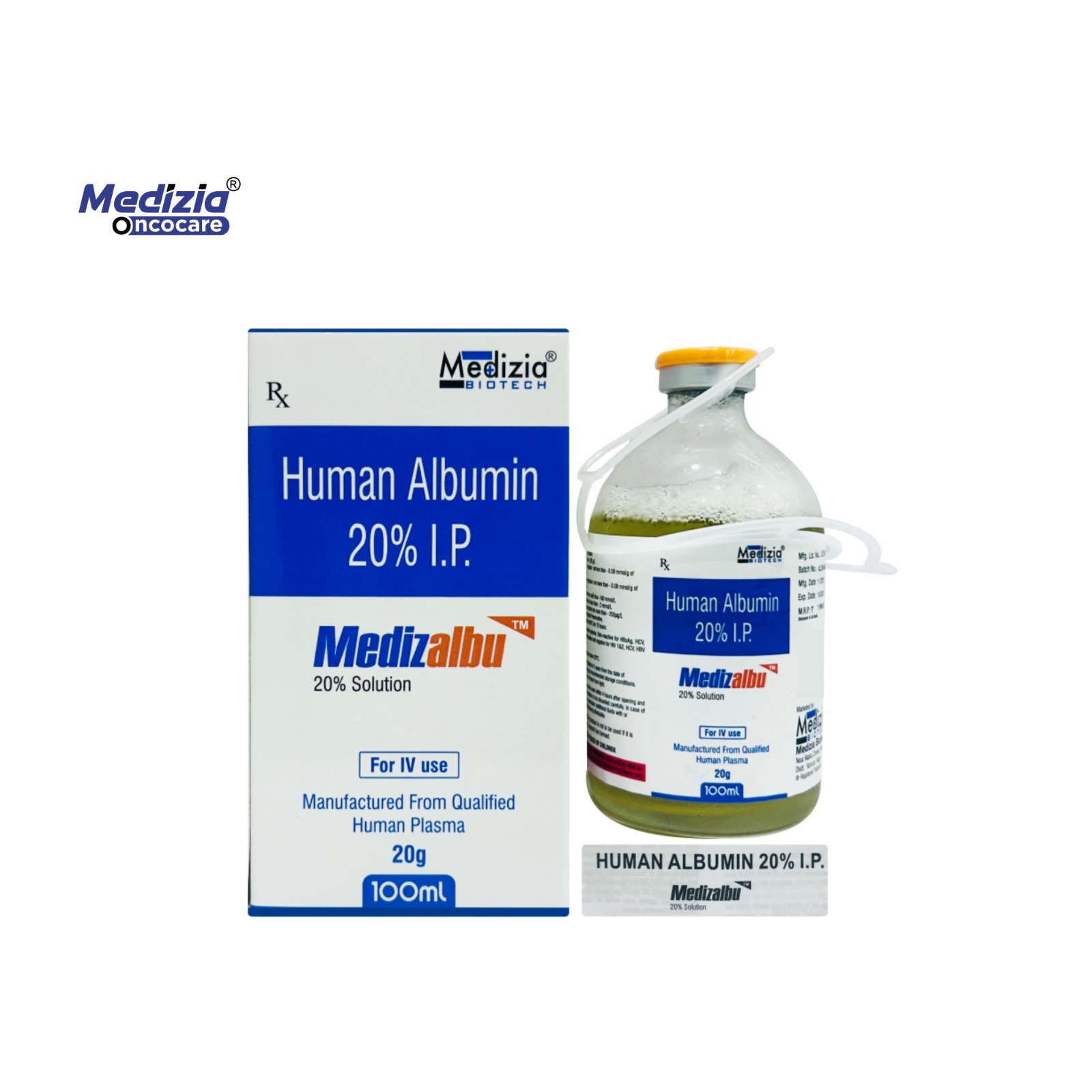
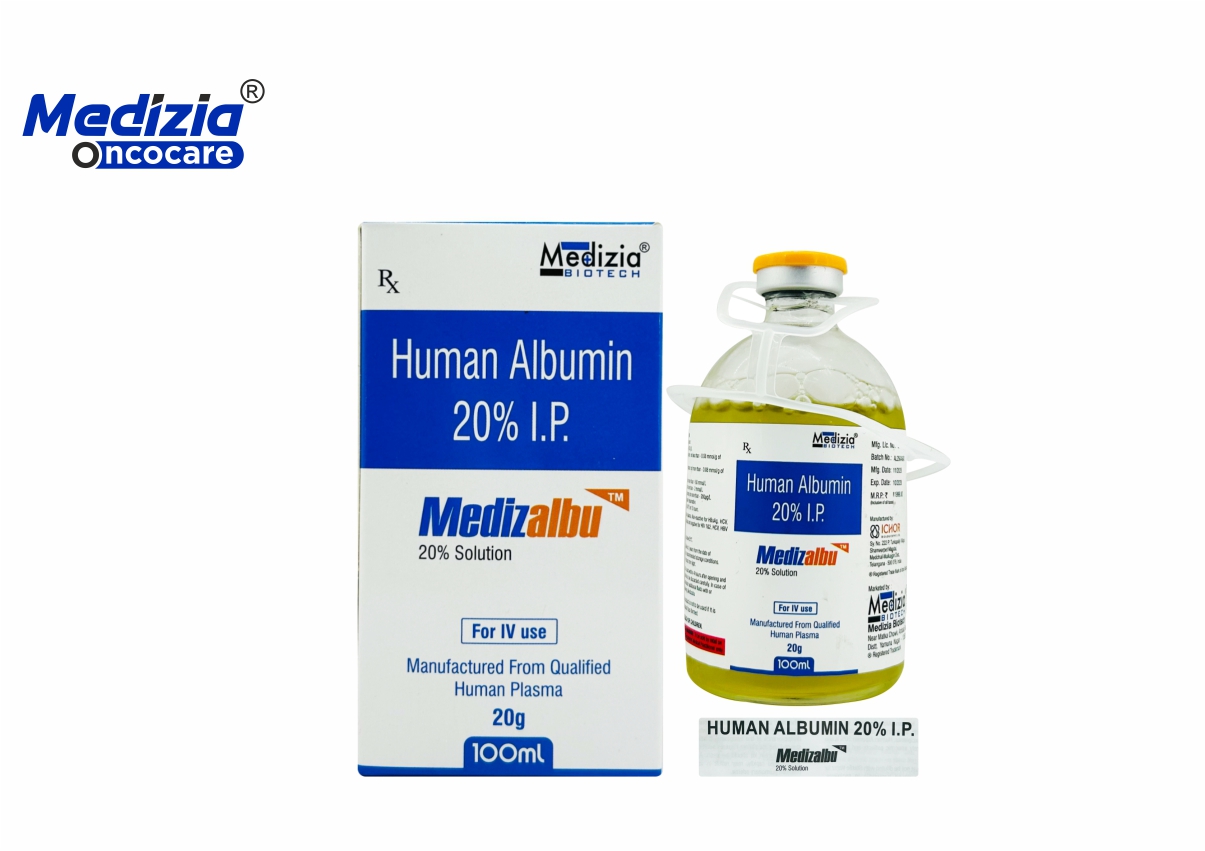
For professional product information, hospitals and licensed buyers can review Medizalbu Human Albumin Injection 20% 100 ml and the alternate Medizalbu product listing. Administration and adverse-reaction management must follow approved prescribing information and qualified medical supervision.
Human Albumin Injection is a sterile intravenous solution prepared from human plasma and is widely used in hospitals to restore blood volume and maintain plasma protein levels. It plays a critical role in managing conditions such as hypoalbuminemia, liver cirrhosis, burns, shock, trauma, and major surgical procedures.
While Human Albumin Injection is generally considered safe when administered under medical supervision, like any intravenous therapy, it may cause side effects in some patients. Understanding these side effects, their causes, and when to seek medical attention helps ensure safer treatment and better patient outcomes.
This article explains the Human Albumin Injection side effects, safety precautions, and monitoring requirements while highlighting Medizalbu, the premium Human Albumin Injection from Medizia Biotech.
What is Human Albumin Injection?
Human Albumin Injection is a purified protein solution derived from carefully screened human plasma. Albumin helps maintain oncotic pressure, supports blood circulation, and transports hormones, drugs, and other essential substances throughout the body.
Doctors commonly prescribe Human Albumin Injection for:
- Hypoalbuminemia
- Liver cirrhosis with ascites
- Severe burns
- Trauma and blood loss
- Septic shock
- Kidney disorders
- Plasma exchange procedures
- Critical care patients
Common Human Albumin Injection Side Effects
Most patients tolerate Human Albumin Injection well. However, mild side effects can occasionally occur, especially during or shortly after infusion.
Common side effects include:
- Mild fever
- Chills
- Headache
- Nausea
- Vomiting
- Dizziness
- Flushing
- Mild skin rash
- Injection site discomfort
These symptoms are generally temporary and often improve after slowing or stopping the infusion under medical supervision.
Serious Side Effects of Human Albumin Injection
Although uncommon, some patients may experience serious reactions that require immediate medical attention.
These include:
- Severe allergic reactions (anaphylaxis)
- Difficulty breathing
- Chest tightness
- Low blood pressure
- Rapid heartbeat
- Severe skin rash
- Swelling of the face, lips, or throat
- Pulmonary edema (fluid accumulation in the lungs)
- Circulatory overload
- Heart failure in susceptible patients
Healthcare professionals continuously monitor patients during infusion to detect these complications early.
Who is at Higher Risk?
Certain individuals require additional caution while receiving Human Albumin Injection.
Higher-risk groups include:
- Elderly patients
- Patients with heart failure
- Kidney disease patients
- Liver cirrhosis with advanced complications
- Patients with severe anemia
- Individuals with pulmonary edema
- Patients receiving high-dose albumin therapy
Precautions Before Administration
Before administering Human Albumin Injection, healthcare providers evaluate the patient's medical condition and fluid balance.
Important precautions include:
- Review medical history
- Monitor blood pressure
- Assess kidney function
- Check electrolyte levels
- Monitor urine output
- Adjust infusion speed appropriately
- Avoid unnecessary rapid infusion
Proper patient assessment significantly reduces the risk of adverse reactions.
How Are Side Effects Managed?
Most mild side effects can be managed effectively by:
- Slowing the infusion rate
- Temporarily stopping the infusion
- Providing supportive treatment
- Monitoring vital signs
- Administering medications for allergic symptoms if required
Severe reactions require immediate discontinuation of therapy and emergency medical management.
Can Human Albumin Injection Cause Allergic Reactions?
Yes, although rare.
Possible allergic symptoms include:
- Skin itching
- Hives
- Swelling
- Wheezing
- Difficulty breathing
- Sudden drop in blood pressure
Patients should immediately inform healthcare professionals if these symptoms develop during infusion.
Is Human Albumin Injection Safe?
Human Albumin Injection has been used safely worldwide for many decades. Modern manufacturing techniques involve:
- Careful donor screening
- Plasma testing
- Virus inactivation procedures
- Strict GMP manufacturing
- Comprehensive quality control
When used according to approved medical guidelines, Human Albumin Injection has an excellent safety profile.
Medizalbu Product Information
Professional buyers may use the Medizalbu product page or second Medizalbu listing. Confirm current product documentation, regulatory status, storage requirements, and availability before procurement.
Medizalbu – Premium Human Albumin Injection by Medizia Biotech
Medizalbu from Medizia Biotech is manufactured following stringent international quality standards to deliver consistent safety, purity, and clinical effectiveness.
Product Highlights
- High-purity Human Albumin Injection
- Sterile intravenous formulation
- Manufactured under strict GMP standards
- Reliable quality control
- Suitable for hospital and critical care use
- Available for institutional supply and distribution
Tips for Safe Human Albumin Injection Administration
Healthcare professionals should:
- Administer only under medical supervision.
- Follow the recommended infusion rate.
- Monitor blood pressure and heart rate.
- Observe patients for allergic reactions.
- Maintain appropriate fluid balance.
- Use according to approved clinical guidelines.
Related Human Albumin Resources
Affordable Human Albumin Injection Supplier, Albumin Human Injection USP, Albumin Injection, Albumin Injection IP, Albumin Solution Injection.
Best Human Albumin Injection Franchise in India Ready Stock Available, Best Human Albumin Injection Manufacturer in India, Buy Human Albumin Injection Online, Human Albumin 20 100Ml Manufacturer Third Party Manufacturing B2B Supply, Human Albumin 20 Injection.
Human Albumin 20 Injection 1, Human Albumin 20 Injection Manufacturer, Human Albumin 25 Injection, Human Albumin Infusion, Human Albumin Injection.
Human Albumin Injection 20, Human Albumin Injection Administration, Human Albumin Injection Benefits, Human Albumin Injection Bulk Supplier, Human Albumin Injection Company in Chandigarh.
Human Albumin Injection Contract Manufacturing, Human Albumin Injection Distributor in Mumbai, Human Albumin Injection Distributors, Human Albumin Injection Dosage, Human Albumin Injection Exporter from India.
Human Albumin Injection Exporter India, Human Albumin Injection Exporters, Human Albumin Injection Exporters from India, Human Albumin Injection for Critical Care Patients, Human Albumin Injection for Hypoalbuminemia.
Human Albumin Injection for Liver Disease, Human Albumin Injection Global Supplier, Human Albumin Injection GMP Certified Manufacturer, Human Albumin Injection Hospital Supplier, Human Albumin Injection Indication.
Human Albumin Injection Manufacturer, Human Albumin Injection Manufacturer for Hospitals, Human Albumin Injection Manufacturer in India, Human Albumin Injection Manufacturer in India Medizia Biotech, Human Albumin Injection Manufacturer in Punjab.
Human Albumin Injection PCD Pharma Franchise, Human Albumin Injection Pharma Manufacturer, Human Albumin Injection Pharmaceutical Company, Human Albumin Injection Pharmaceutical Exporters, Human Albumin Injection Precautions.
Human Albumin Injection Side Effects, Human Albumin Injection Supplier, Human Albumin Injection Supplier in Delhi, Human Albumin Injection Supplier in India, Human Albumin Injection Tender Supplier.
Human Albumin Injection Third Party Manufacturing, Human Albumin Injection Uses, Human Albumin Injection Wholesaler in India, Human Albumin Intravenous Injection, Human Normal Albumin Injection.
Leading Human Albumin Injection Supplier in India, Serum Albumin Injection, Third Party Manufacturing of Human Albumin Injection in India, What Is Human Albumin Injection, Who GMP Certified Human Albumin Injection Manufacturer.
Frequently Asked Questions
Does Human Albumin Injection always cause side effects?
No. Most patients receive Human Albumin Injection without significant adverse effects.
Are side effects permanent?
Most common side effects are temporary and resolve after appropriate medical management.
Can allergic reactions occur?
Yes, but severe allergic reactions are rare and require immediate medical attention.
Can Human Albumin Injection be given at home?
Generally, no. Human Albumin Injection should be administered in a hospital or healthcare facility under professional supervision.
Conclusion
Understanding Human Albumin Injection side effects is essential for ensuring safe and effective treatment. While mild reactions such as fever, nausea, headache, or flushing may occur occasionally, serious complications are uncommon when the therapy is administered correctly by trained healthcare professionals.
Medizalbu by Medizia Biotech is manufactured with rigorous quality standards to provide healthcare providers with a dependable Human Albumin Injection for critical care and plasma volume replacement. Proper patient assessment, careful monitoring, and adherence to recommended administration guidelines help maximize treatment benefits while minimizing potential risks.
Disclaimer
This article is intended for educational purposes only and should not replace professional medical advice. Human Albumin Injection should only be used under the supervision of qualified healthcare professionals according to approved prescribing information.