BLOG
human albumin injection indication
Human Albumin Injection Indication: Clinical Uses of Medizalbu (Human Albumin Injection)
Introduction
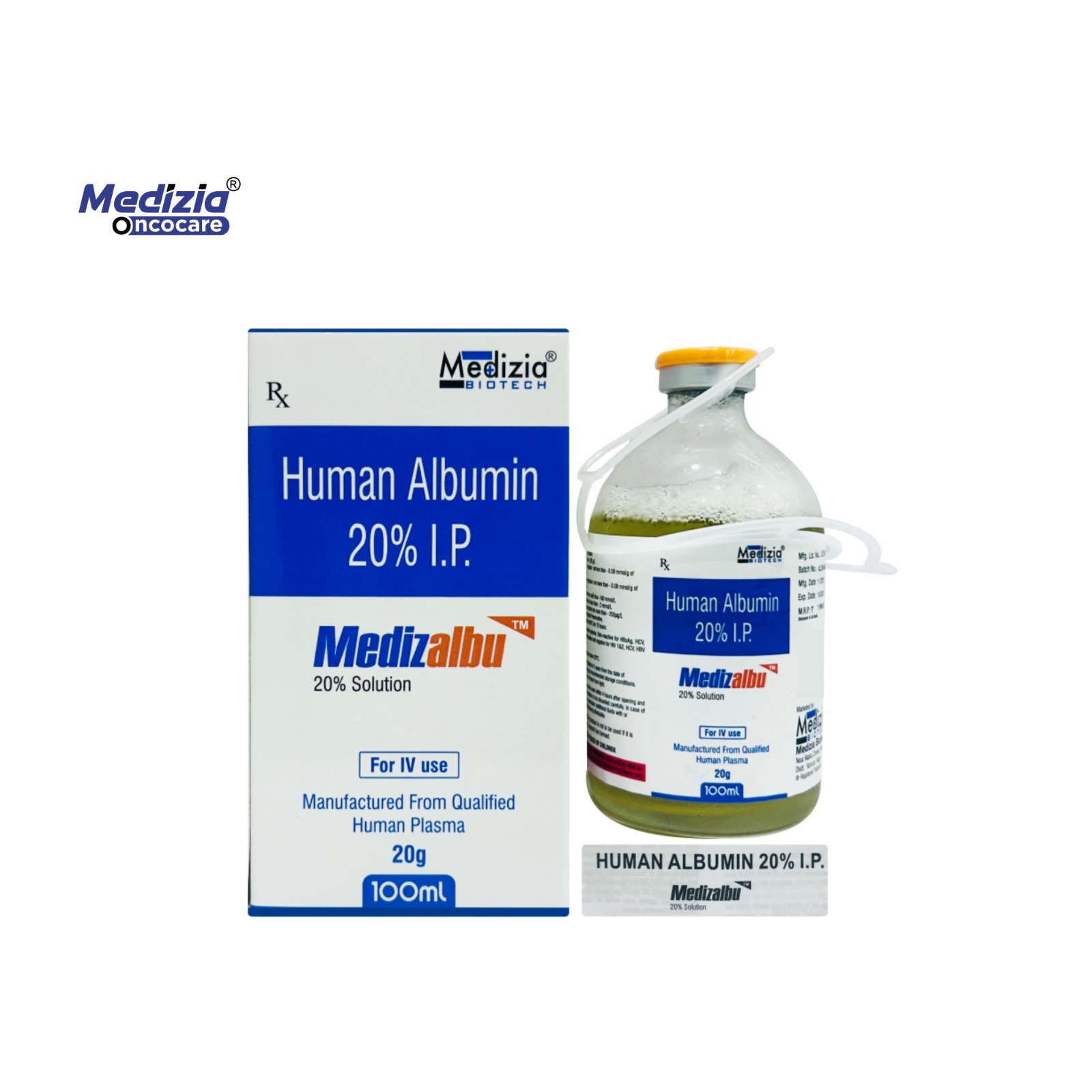
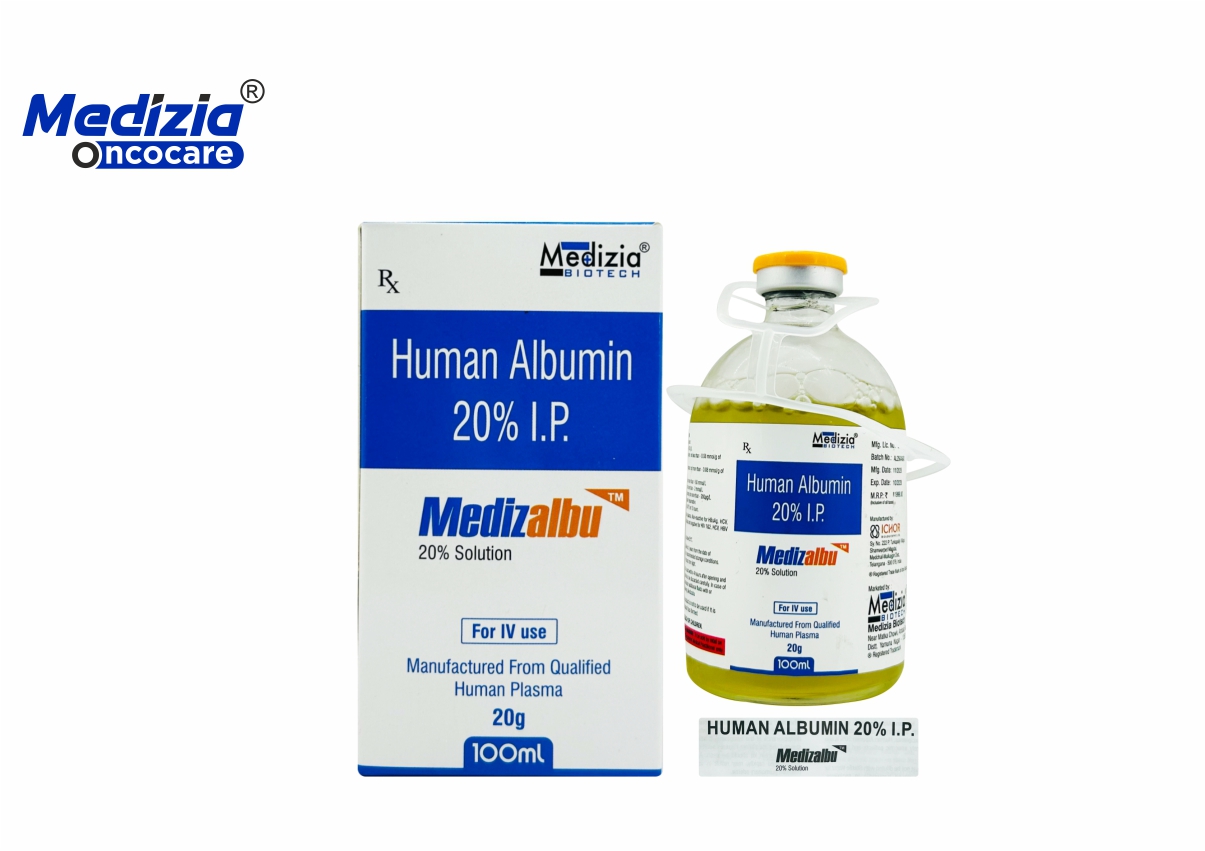
Healthcare professionals and licensed buyers can review Medizalbu Human Albumin Injection 20% 100 ml and the alternate Medizalbu product listing. Indications, dosage, administration, and monitoring must follow physician assessment and approved prescribing information.
Human Albumin Injection is an essential plasma-derived medicinal product widely used in hospitals and critical care settings to restore blood volume and maintain plasma oncotic pressure. It plays a significant role in managing patients with low serum albumin levels, severe burns, liver diseases, kidney disorders, shock, and other conditions requiring plasma volume expansion.
Medizalbu, offered by Medizia Biotech, is a high-quality Human Albumin Injection manufactured under stringent quality standards to support healthcare professionals in providing effective patient care. This blog explains the indications of Human Albumin Injection, its clinical benefits, and why Medizalbu is a trusted choice.
What is Human Albumin Injection?
Human Albumin Injection is a sterile solution prepared from human plasma. Albumin is the most abundant protein in human blood and is responsible for maintaining plasma oncotic pressure, transporting hormones, drugs, and fatty acids, and regulating fluid balance between blood vessels and body tissues.
Medizalbu is formulated to help restore circulating blood volume and improve hemodynamic stability in critically ill patients.
Human Albumin Injection Indications
Healthcare professionals prescribe Human Albumin Injection in several medical conditions where albumin replacement or plasma volume expansion is clinically indicated.
1. Hypoalbuminemia
Patients with significantly reduced serum albumin levels due to chronic illness, malnutrition, liver disease, or kidney disorders may require Human Albumin Injection to restore normal albumin concentrations.
Benefits
- Improves plasma oncotic pressure
- Reduces edema
- Supports fluid balance
- Enhances circulatory stability
2. Liver Cirrhosis and Ascites
Patients with advanced liver disease frequently develop ascites due to reduced albumin production. Human Albumin Injection is commonly administered during or after large-volume paracentesis to prevent circulatory dysfunction.
Clinical applications include:
- Liver cirrhosis
- Massive ascites
- Hepatorenal syndrome
- Prevention of post-paracentesis circulatory dysfunction
3. Plasma Volume Expansion
Human Albumin Injection is indicated when rapid restoration of blood volume is necessary.
Common situations include:
- Trauma
- Major surgery
- Severe hemorrhage
- Hypovolemic shock
- Intensive Care Unit (ICU) management
Albumin helps maintain adequate blood circulation while reducing tissue edema.
4. Severe Burns
Patients with extensive burns experience plasma protein loss and fluid leakage.
Human Albumin Injection helps:
- Restore plasma volume
- Maintain blood pressure
- Improve tissue perfusion
- Support burn management
5. Critical Care Patients
Albumin therapy is frequently used in ICUs for critically ill patients requiring plasma volume support.
Examples include:
- Septic shock
- Multi-organ dysfunction
- Post-operative critical care
- Major trauma
Its use should always follow physician assessment and institutional treatment protocols.
6. Nephrotic Syndrome
Patients suffering from nephrotic syndrome lose significant amounts of albumin through urine.
Human Albumin Injection may be administered in selected cases to:
- Increase circulating albumin
- Reduce severe edema
- Improve intravascular volume
7. Therapeutic Plasma Exchange
During plasma exchange procedures, Human Albumin Injection serves as a replacement fluid to maintain circulating plasma volume and protein balance.
How Human Albumin Injection Works
Albumin attracts and retains water inside blood vessels through its colloid osmotic effect. This mechanism helps:
- Restore circulating blood volume
- Prevent fluid leakage into tissues
- Improve organ perfusion
- Stabilize blood pressure
- Support oxygen delivery
Advantages of Medizalbu Human Albumin Injection
Medizalbu offers several advantages for healthcare institutions and distributors:
- High-quality Human Albumin Injection
- Manufactured under strict quality systems
- Reliable plasma volume expansion
- Suitable for hospital and ICU use
- Consistent product quality
- Secure packaging
- Available for institutional and bulk supply
- Distributed by Medizia Biotech
Precautions
Human Albumin Injection should always be administered by qualified healthcare professionals.
Important precautions include:
- Monitor fluid balance carefully.
- Observe for allergic or infusion-related reactions.
- Use cautiously in patients with heart failure or pulmonary edema.
- Follow recommended infusion rates.
- Administer only under medical supervision.
Medizalbu Product Information
Professional buyers may use the Medizalbu product page or second Medizalbu listing. Confirm product documentation, regulatory status, storage requirements, and availability before procurement.
Why Choose Medizalbu from Medizia Biotech?
Medizia Biotech is committed to delivering high-quality critical care products to hospitals, distributors, and healthcare organizations.
Why choose Medizalbu?
- Trusted pharmaceutical company
- Focus on quality and compliance
- Reliable supply chain
- Bulk order availability
- Third-party manufacturing support
- Distribution across domestic and international markets
- Dedicated customer support
Related Human Albumin Resources
Affordable Human Albumin Injection Supplier, Albumin Human Injection USP, Albumin Injection, Albumin Injection IP, Albumin Solution Injection.
Best Human Albumin Injection Franchise in India Ready Stock Available, Best Human Albumin Injection Manufacturer in India, Buy Human Albumin Injection Online, Human Albumin 20 100Ml Manufacturer Third Party Manufacturing B2B Supply, Human Albumin 20 Injection.
Human Albumin 20 Injection 1, Human Albumin 20 Injection Manufacturer, Human Albumin 25 Injection, Human Albumin Infusion, Human Albumin Injection.
Human Albumin Injection 20, Human Albumin Injection Administration, Human Albumin Injection Benefits, Human Albumin Injection Bulk Supplier, Human Albumin Injection Company in Chandigarh.
Human Albumin Injection Contract Manufacturing, Human Albumin Injection Distributor in Mumbai, Human Albumin Injection Distributors, Human Albumin Injection Dosage, Human Albumin Injection Exporter from India.
Human Albumin Injection Exporter India, Human Albumin Injection Exporters, Human Albumin Injection Exporters from India, Human Albumin Injection for Critical Care Patients, Human Albumin Injection for Hypoalbuminemia.
Human Albumin Injection for Liver Disease, Human Albumin Injection Global Supplier, Human Albumin Injection GMP Certified Manufacturer, Human Albumin Injection Hospital Supplier, Human Albumin Injection Indication.
Human Albumin Injection Manufacturer, Human Albumin Injection Manufacturer for Hospitals, Human Albumin Injection Manufacturer in India, Human Albumin Injection Manufacturer in India Medizia Biotech, Human Albumin Injection Manufacturer in Punjab.
Human Albumin Injection PCD Pharma Franchise, Human Albumin Injection Pharma Manufacturer, Human Albumin Injection Pharmaceutical Company, Human Albumin Injection Pharmaceutical Exporters, Human Albumin Injection Precautions.
Human Albumin Injection Side Effects, Human Albumin Injection Supplier, Human Albumin Injection Supplier in Delhi, Human Albumin Injection Supplier in India, Human Albumin Injection Tender Supplier.
Human Albumin Injection Third Party Manufacturing, Human Albumin Injection Uses, Human Albumin Injection Wholesaler in India, Human Albumin Intravenous Injection, Human Normal Albumin Injection.
Leading Human Albumin Injection Supplier in India, Serum Albumin Injection, Third Party Manufacturing of Human Albumin Injection in India, What Is Human Albumin Injection, Who GMP Certified Human Albumin Injection Manufacturer.
Conclusion
Understanding the indications of Human Albumin Injection is essential for healthcare professionals involved in critical care, hepatology, nephrology, surgery, and emergency medicine. From treating hypoalbuminemia and liver cirrhosis to managing severe burns and plasma volume loss, Human Albumin Injection remains an important therapeutic option.
Medizalbu by Medizia Biotech is designed to support healthcare providers with dependable Human Albumin Injection for hospital and institutional use. When prescribed appropriately by qualified physicians, it contributes to effective plasma volume management and improved patient care.
Disclaimer
This article is intended for educational and informational purposes only. Human Albumin Injection should be used strictly under the guidance of qualified healthcare professionals according to approved prescribing information and institutional protocols.