BLOG
human albumin injection precautions
Human Albumin Injection Precautions | Complete Safety Guide by Medizia Biotech
Human Albumin Injection Precautions: Everything You Need to Know Before Treatment
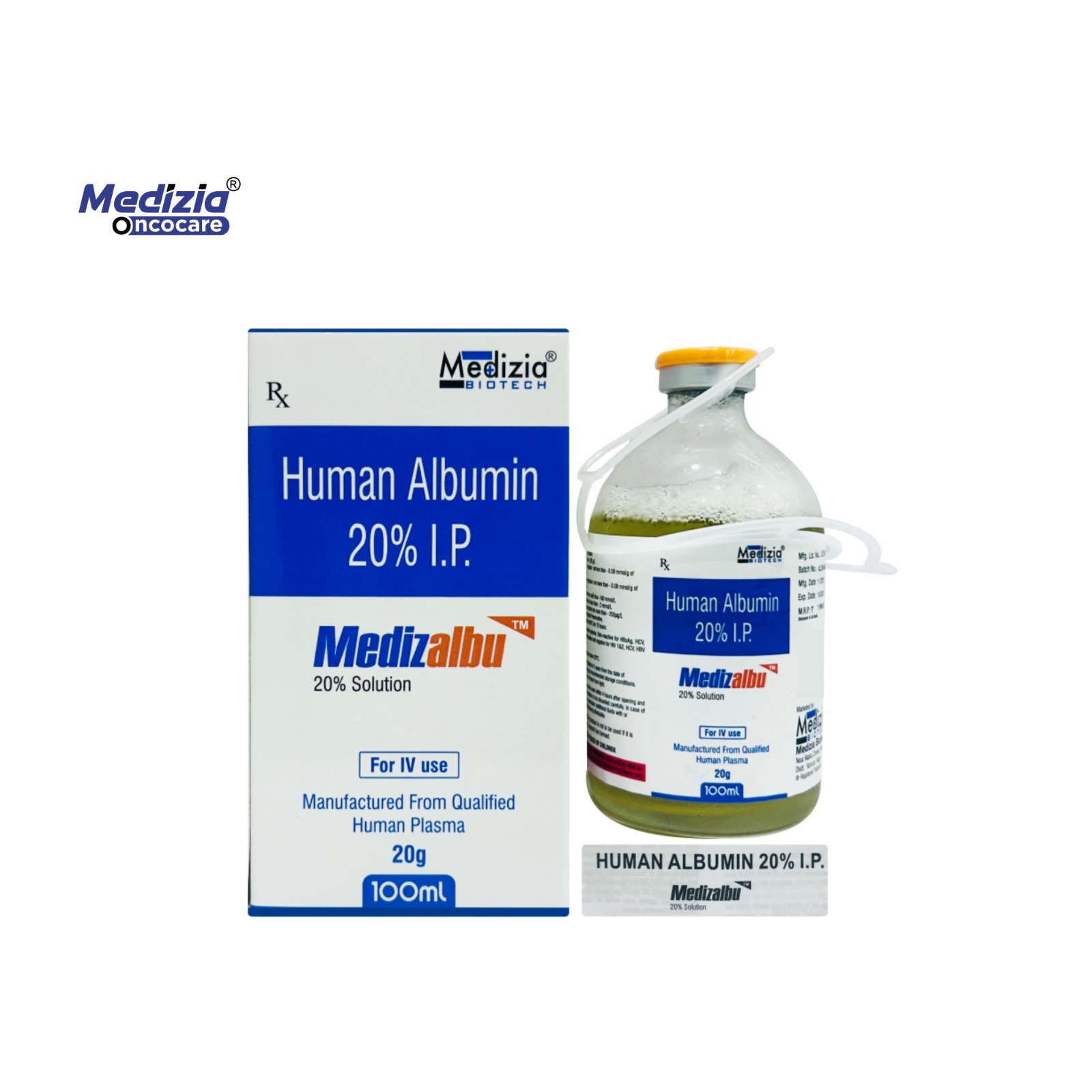
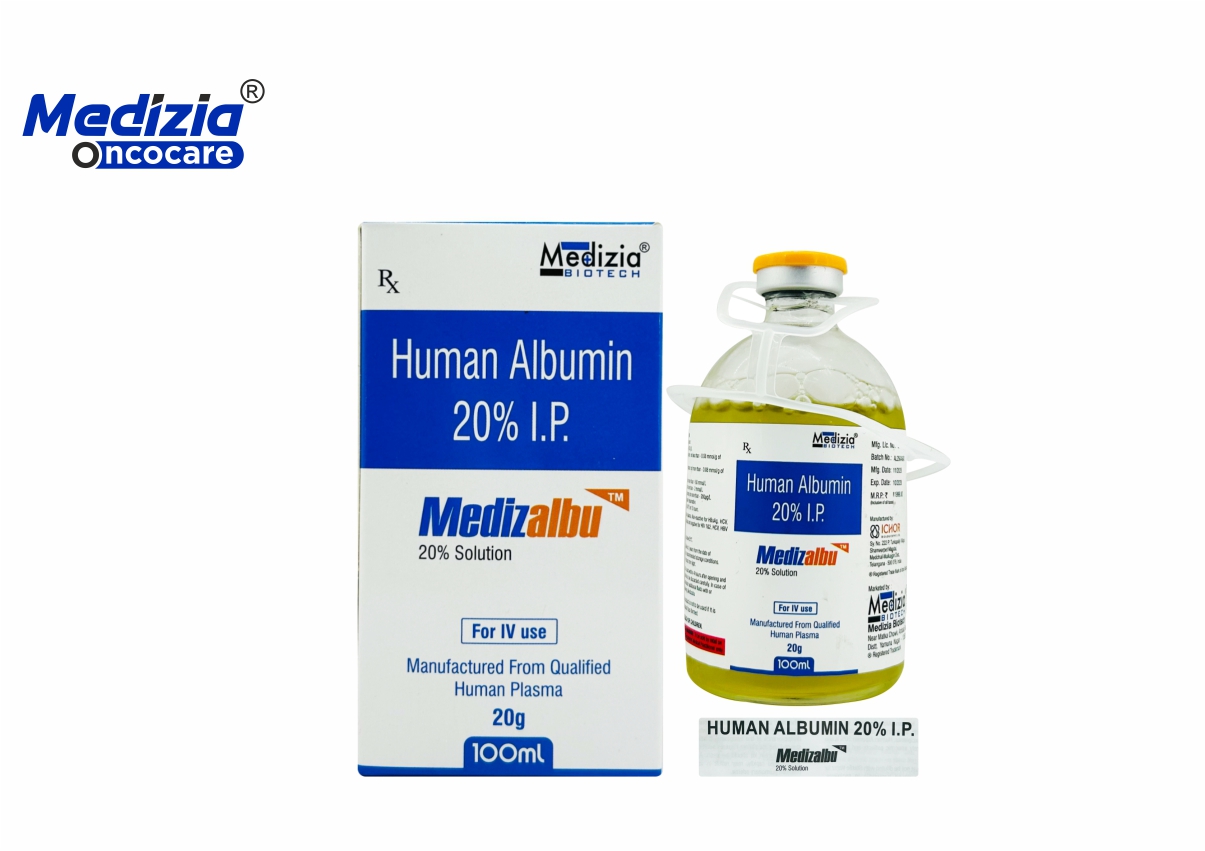
For professional product information, hospitals and licensed buyers can review Medizalbu Human Albumin Injection 20% 100 ml and the alternate Medizalbu product listing. Product use must follow approved prescribing information and medical supervision.
Human Albumin Injection is a plasma-derived protein solution used to restore blood volume and maintain adequate albumin levels in patients with critical medical conditions. It is widely administered in hospitals for the treatment of hypovolemia, hypoalbuminemia, severe burns, liver disease, kidney disorders, and critical care management.
Although Human Albumin Injection is considered safe when administered under medical supervision, following the correct precautions is essential to ensure patient safety and achieve the best therapeutic outcomes. At Medizia Biotech, we believe that patient awareness and adherence to medical guidelines are just as important as product quality.
What is Human Albumin Injection?
Human Albumin Injection is a sterile intravenous solution prepared from carefully screened human plasma. Albumin is the most abundant protein in human blood and plays a vital role in maintaining oncotic pressure, transporting hormones, drugs, and nutrients, and regulating fluid balance.
It is commonly available in 5% and 20% concentrations and is administered only by trained healthcare professionals.
Why is Human Albumin Injection Used?
Doctors may prescribe Human Albumin Injection for:
- Hypovolemia (low blood volume)
- Hypoalbuminemia (low albumin levels)
- Liver cirrhosis
- Severe burns
- Trauma and major surgery
- Septic shock
- Critical care patients
- Kidney disorders
- Plasma exchange procedures
- Adult Respiratory Distress Syndrome (ARDS)
The exact indication depends on the patient's medical condition and clinical assessment.
Important Human Albumin Injection Precautions
1. Use Only Under Medical Supervision
Human Albumin Injection should never be self-administered. It must be given intravenously by trained healthcare professionals in a hospital or clinical setting where the patient can be monitored during and after infusion.
2. Check for Allergic Reactions
Before treatment, inform your doctor if you have:
- Previous allergic reactions to albumin products
- Blood product allergies
- History of severe hypersensitivity
Seek immediate medical attention if any of these symptoms appear during infusion:
- Difficulty breathing
- Skin rash
- Swelling of the face or throat
- Chest tightness
- Severe itching
These may indicate a serious allergic reaction requiring immediate intervention.
3. Monitor Fluid Balance Carefully
Albumin rapidly expands plasma volume. Excessive administration may lead to:
- Fluid overload
- Pulmonary edema
- High blood pressure
- Heart failure worsening
Doctors closely monitor:
- Blood pressure
- Heart rate
- Oxygen saturation
- Urine output
- Central venous pressure (when indicated)
The infusion rate should be adjusted according to the patient's clinical condition.
4. Patients with Heart Disease Need Extra Care
Patients with:
- Congestive heart failure
- Hypertension
- Cardiac disease
may require slower infusion rates and continuous monitoring because rapid plasma expansion can worsen cardiovascular conditions.
5. Kidney Disease Precautions
Patients suffering from:
- Chronic kidney disease
- Acute kidney injury
- Nephrotic syndrome
should receive Human Albumin Injection only under strict medical supervision with regular monitoring of kidney function and fluid status.
6. Liver Disease Monitoring
Human Albumin Injection is frequently used in liver cirrhosis and after large-volume paracentesis. The dose and infusion schedule should always be individualized based on the patient's condition and physician's judgment.
7. Pregnancy and Breastfeeding
Limited clinical data are available regarding albumin use during pregnancy and breastfeeding. Treatment should only be given if the physician determines that the expected benefits outweigh any potential risks.
8. Drug Interactions
Inform your healthcare provider about:
- Prescription medicines
- OTC medications
- Herbal supplements
- Vitamins
Albumin may influence the distribution of certain medicines, and clinicians should evaluate potential interactions before administration.
9. Do Not Exceed Recommended Dose
The dosage depends on:
- Body weight
- Clinical condition
- Fluid loss
- Laboratory findings
- Response to therapy
Never attempt to calculate or adjust the dose without medical supervision.
10. Observe During Infusion
Healthcare providers routinely monitor for:
- Blood pressure changes
- Increased heart rate
- Fever
- Chills
- Shortness of breath
- Signs of fluid overload
- Allergic reactions
If any adverse effects occur, the infusion may be slowed or stopped based on clinical assessment.
Possible Side Effects
Most patients tolerate Human Albumin Injection well. However, possible side effects include:
- Nausea
- Vomiting
- Fever
- Chills
- Mild skin rash
- Flushing
- Increased heart rate
- Headache
Rare but serious reactions include:
- Severe allergic reaction
- Pulmonary edema
- Breathing difficulty
- Severe hypotension
- Anaphylaxis
Prompt medical attention is required if serious symptoms develop.
Who Should Avoid Human Albumin Injection?
Your doctor may avoid or use caution with Human Albumin Injection in patients with:
- Severe anemia
- Uncontrolled heart failure
- Known albumin hypersensitivity
- Significant fluid overload
- Certain severe cardiovascular conditions
The decision depends on an individualized medical evaluation.
Tips for Safe Human Albumin Injection Therapy
- Always receive treatment in a hospital or certified healthcare facility.
- Inform your doctor about your complete medical history.
- Report any allergies before treatment.
- Follow your physician's dosage recommendations.
- Never self-administer Human Albumin Injection.
- Attend follow-up appointments and laboratory monitoring as advised.
Medizalbu Product Information
Professional buyers may enquire through the Medizalbu product page or second product listing. Verify current product documentation, storage requirements, regulatory status, and availability before procurement.
Why Choose Medizia Biotech?
Medizia Biotech is committed to delivering high-quality pharmaceutical solutions that meet stringent quality standards. We focus on reliability, patient safety, and consistent product quality while supporting healthcare professionals with dependable critical care products.
Our commitment includes:
- High-quality manufacturing standards
- Reliable product availability
- Hospital and institutional supply
- Professional customer support
- Ethical business practices
- Timely distribution across India and international markets
Related Human Albumin Resources
Affordable Human Albumin Injection Supplier, Albumin Human Injection USP, Albumin Injection, Albumin Injection IP, Albumin Solution Injection.
Best Human Albumin Injection Franchise in India Ready Stock Available, Best Human Albumin Injection Manufacturer in India, Buy Human Albumin Injection Online, Human Albumin 20 100Ml Manufacturer Third Party Manufacturing B2B Supply, Human Albumin 20 Injection.
Human Albumin 20 Injection 1, Human Albumin 20 Injection Manufacturer, Human Albumin 25 Injection, Human Albumin Infusion, Human Albumin Injection.
Human Albumin Injection 20, Human Albumin Injection Administration, Human Albumin Injection Benefits, Human Albumin Injection Bulk Supplier, Human Albumin Injection Company in Chandigarh.
Human Albumin Injection Contract Manufacturing, Human Albumin Injection Distributor in Mumbai, Human Albumin Injection Distributors, Human Albumin Injection Dosage, Human Albumin Injection Exporter from India.
Human Albumin Injection Exporter India, Human Albumin Injection Exporters, Human Albumin Injection Exporters from India, Human Albumin Injection for Critical Care Patients, Human Albumin Injection for Hypoalbuminemia.
Human Albumin Injection for Liver Disease, Human Albumin Injection Global Supplier, Human Albumin Injection GMP Certified Manufacturer, Human Albumin Injection Hospital Supplier, Human Albumin Injection Indication.
Human Albumin Injection Manufacturer, Human Albumin Injection Manufacturer for Hospitals, Human Albumin Injection Manufacturer in India, Human Albumin Injection Manufacturer in India Medizia Biotech, Human Albumin Injection Manufacturer in Punjab.
Human Albumin Injection PCD Pharma Franchise, Human Albumin Injection Pharma Manufacturer, Human Albumin Injection Pharmaceutical Company, Human Albumin Injection Pharmaceutical Exporters, Human Albumin Injection Precautions.
Human Albumin Injection Side Effects, Human Albumin Injection Supplier, Human Albumin Injection Supplier in Delhi, Human Albumin Injection Supplier in India, Human Albumin Injection Tender Supplier.
Human Albumin Injection Third Party Manufacturing, Human Albumin Injection Uses, Human Albumin Injection Wholesaler in India, Human Albumin Intravenous Injection, Human Normal Albumin Injection.
Leading Human Albumin Injection Supplier in India, Serum Albumin Injection, Third Party Manufacturing of Human Albumin Injection in India, What Is Human Albumin Injection, Who GMP Certified Human Albumin Injection Manufacturer.
Conclusion
Human Albumin Injection is an essential treatment in modern critical care, but safe administration depends on careful patient selection, appropriate dosing, and close medical monitoring. Understanding the necessary precautions helps reduce risks and improves treatment outcomes. Patients should always receive Human Albumin Injection under qualified medical supervision and follow all healthcare provider recommendations.
If you are looking for a trusted Human Albumin Injection manufacturer and supplier, Medizia Biotech is dedicated to providing quality pharmaceutical solutions that support healthcare providers and patient care.
Disclaimer
This article is intended for educational purposes only and should not replace professional medical advice, diagnosis, or treatment. Always consult a qualified healthcare provider before receiving or administering Human Albumin Injection.