BLOG
Third Party Manufacturing Pharma Company
Third Party Manufacturing Pharma Company in the Pharmaceutical Industry
The pharmaceutical industry is vast, complex, and highly regulated. Companies involved in drug production often face significant challenges in terms of cost, production efficiency, and meeting the global demand for medications. To address these challenges, many pharmaceutical companies have embraced a strategy known as third party manufacturing. This model offers numerous advantages, particularly for businesses that want to focus on branding, marketing, and distribution while outsourcing the manufacturing process to specialized facilities.
In this blog, we will dive deep into the concept of third party manufacturing, its advantages, how it works, and why it has become an essential strategy in the pharmaceutical industry.
What is Pharma Third Party Manufacturing Company ?
Third party manufacturing, often referred to as contract manufacturing, involves a pharmaceutical company outsourcing the production of its products to another company, known as the contract manufacturer or third-party manufacturer. This arrangement allows the brand company (also known as the marketing company) to focus on other business operations like branding, sales, and marketing, while the third-party manufacturer handles the production process.
In essence, the marketing company does not own the manufacturing facilities or have to worry about setting up production units. Instead, they rely on an external manufacturer that possesses the necessary infrastructure, technology, expertise, and regulatory certifications to produce the pharmaceutical products according to strict quality standards.
How Does Third Party Manufacturing pharma company Work?
The third-party manufacturing process follows a relatively straightforward model. The marketing company partners with a contract manufacturer, and both companies enter into a formal agreement. Here’s an overview of the typical steps involved:
Step 1: Agreement and Product Formulation
Once the marketing company identifies a third-party manufacturer that fits its requirements, they sign an agreement outlining the terms of collaboration. This includes production timelines, minimum order quantities, payment terms, and regulatory compliance.
In many cases, the marketing company may provide the third-party manufacturer with the formulation, including the required ingredients, dosages, and specifications. However, some third-party manufacturers may also offer formulation development services, where they help create the product formulation based on the requirements of the marketing company.
Step 2: Manufacturing Process
After the initial agreement and formulation are in place, the manufacturing process begins. This typically includes the following stages:
Sourcing of raw materials: The third-party manufacturer procures the raw ingredients required for production.
Production: The actual manufacturing process begins, which could involve the production of tablets, capsules, syrups, injectables, or other pharmaceutical forms. The manufacturer follows strict guidelines to ensure compliance with Good Manufacturing Practices (GMP), a set of regulations that ensure the product is consistently produced and controlled to the highest quality standards.
Quality Control and Testing: Quality assurance and control teams perform rigorous testing at each stage of production to ensure the products meet the required specifications. This includes checking the raw materials, intermediate products, and the final product for efficacy, purity, and safety.
Step 3: Packaging and Labeling
Once the manufacturing process is complete, the third-party manufacturer also takes care of the packaging and labeling of the products. Depending on the agreement, the marketing company may provide the branding and design for the packaging or allow the manufacturer to handle the design process. The packaging must adhere to strict regulatory requirements, including proper labeling with necessary information like dosage instructions, ingredients, expiration dates, and other legal requirements.
Step 4: Delivery
After the product is manufactured, packaged, and labeled, it is sent to the marketing company. From there, the products are distributed through the company’s sales and distribution channels to reach the end consumers, healthcare professionals, and retailers. 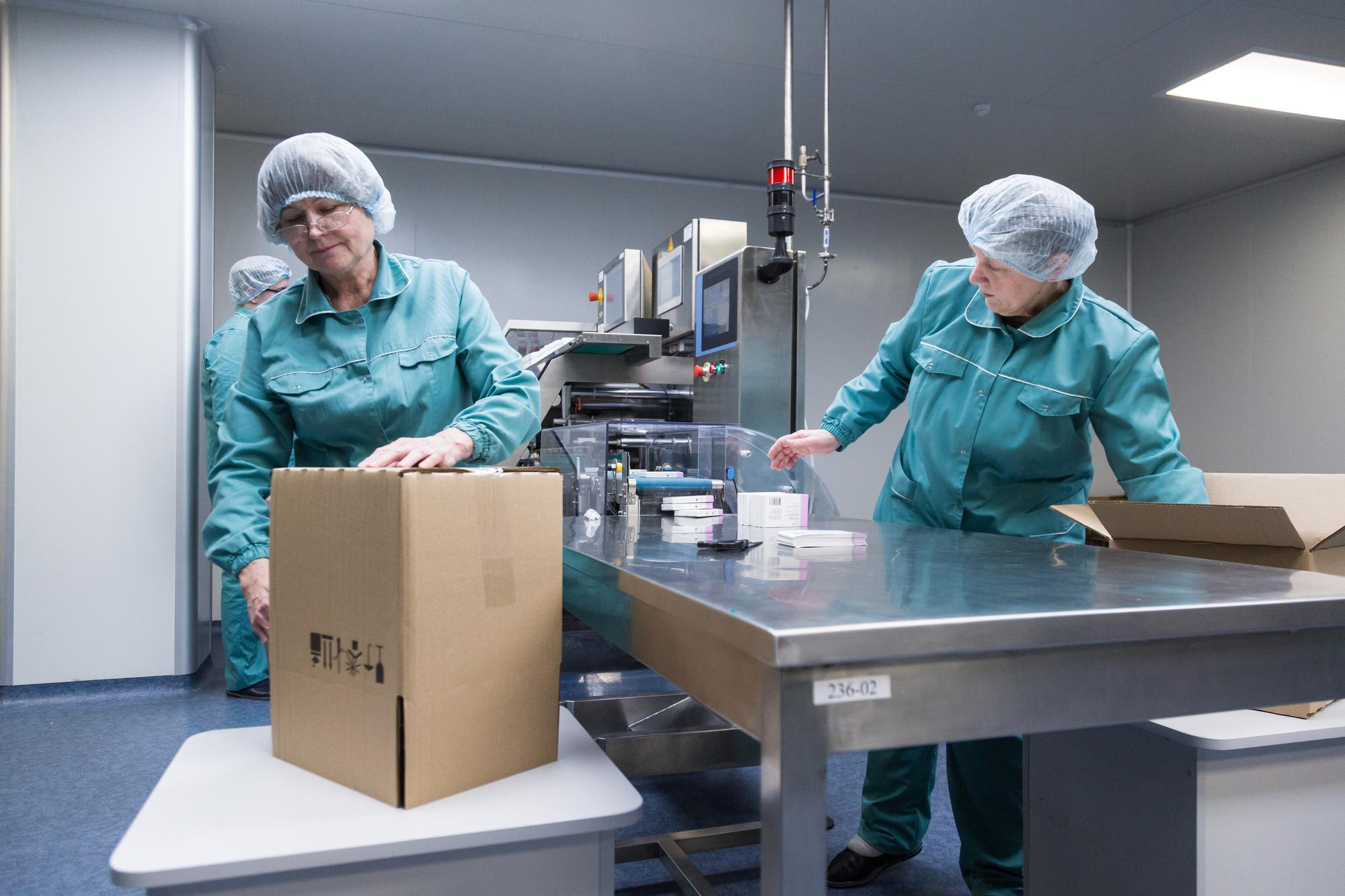
Advantages of Third Party Manufacturing Pharma company
The third party manufacturing model has proven beneficial to both the contract manufacturers and the marketing companies. Some of the key advantages include:
Cost Efficiency
The most significant advantage of third party manufacturing is the cost savings. Setting up and maintaining a pharmaceutical manufacturing plant involves considerable investment in terms of infrastructure, machinery, labor, and regulatory certifications. By outsourcing manufacturing to a third party, companies can save on these capital expenses. They also avoid the operational and regulatory complexities of managing a production facility.
For marketing companies, this means they can focus their resources on marketing, sales, and R&D instead of managing production. For third party manufacturers, economies of scale allow them to offer lower production costs since they handle multiple clients.
Access to Expertise and Technology
Contract manufacturers are often specialized in specific areas of pharmaceutical manufacturing. They are equipped with the latest technology, machinery, and expertise, which can be a significant advantage for the marketing company. By outsourcing production to an experienced third-party manufacturer, companies can ensure that their products are made using cutting-edge technology and in compliance with the highest industry standards.
Focus on Core Competencies
Outsourcing manufacturing allows the marketing company to focus on what it does best—branding, marketing, distribution, and customer relationships. By eliminating the need to manage manufacturing logistics, the company can invest its time and resources in developing its brand identity, expanding market share, and conducting research and development (R&D) for new products.
Regulatory Compliance
Pharmaceutical manufacturing is subject to strict regulatory requirements, including Good Manufacturing Practices (GMP) and other local regulations enforced by agencies like the FDA or EMA. Third-party manufacturers are typically well-versed in these regulations and have the infrastructure and processes in place to ensure that their facilities are GMP-compliant. This significantly reduces the burden on the marketing company to maintain regulatory standards.
Faster Time to Market
Third party manufacturers usually have established production lines and can scale up or down quickly based on demand. This results in faster time-to-market for the pharmaceutical products. The marketing company benefits from quicker production timelines, allowing them to launch new products or replenish stock more efficiently.
Flexibility and Scalability
Outsourcing manufacturing offers scalability, meaning that a company can adjust production volumes based on market demand. Whether a company is launching a new drug, entering a new market, or dealing with fluctuations in demand, working with a third-party manufacturer gives them the flexibility to scale production as needed.
Choosing the Right Third Party Manufacturer
Selecting the right third-party manufacturer is crucial to the success of the collaboration. Here are some factors to consider:
Quality Standards
Ensure that the manufacturer adheres to Good Manufacturing Practices (GMP) and has the necessary certifications to meet regulatory requirements. The manufacturer’s commitment to quality assurance and control is essential in producing safe, effective, and high-quality drugs.
Experience and Reputation
It is important to choose a manufacturer with extensive experience in pharmaceutical production. Look for a company with a good reputation, positive references, and a history of successfully producing high-quality products.
Technology and Infrastructure
The contract manufacturer should be equipped with the latest technology and infrastructure required for the type of pharmaceutical product being produced. This includes having the appropriate machinery, equipment, and facilities to manufacture tablets, capsules, liquids, or injectable products.
Regulatory Compliance
Check if the third-party manufacturer is compliant with relevant national and international regulations such as FDA or WHO standards. Regulatory compliance ensures the product will meet industry standards and be eligible for sale in various markets.
Production Capacity and Flexibility
Assess the manufacturer’s ability to handle the production volumes you require. A reliable third-party manufacturer should be able to adjust production schedules based on demand fluctuations and market conditions.
Challenges in Third-Party Manufacturing
Despite its many benefits, third-party manufacturing does come with certain challenges that need to be considered:
Dependence on the Manufacturer: Relying on a third party for production means that the marketing company must have a trusted relationship with the manufacturer. Any disruption in the manufacturer's operations, such as delays or quality issues, can impact the marketing company’s business.
Quality Control: While third-party manufacturers are required to adhere to high-quality standards, companies must conduct regular audits and inspections to ensure that products are manufactured to the required specifications.
Intellectual Property Risks: There is a risk of intellectual property theft, especially when working with third-party manufacturers. To mitigate this risk, it is crucial to have clear confidentiality agreements and IP protection clauses in the contract.
Supply Chain Issues: Delays in production, transportation, or procurement of raw materials can impact the delivery schedule and cause stock outs or other disruptions in the supply chain.
When considering third party manufacturing, partnering with Medizia Biotech offers numerous advantages that can help you scale your business efficiently. Our state-of-the-art manufacturing facilities, certified with GMP standards, ensure that your products are produced with the highest level of quality and precision, using the latest technology and expert supervision. We are well-versed in navigating the complex regulatory requirements, including FDA, EMA, and WHO standards, making the product approval process smoother and more efficient. Additionally, we prioritize quality assurance at every stage of production, with rigorous testing procedures to ensure that every batch meets safety, efficacy, and consistency standards. By choosing us, you also benefit from cost-effective solutions; we eliminate the need for you to invest in expensive manufacturing infrastructure, passing those savings onto you while maintaining top-tier production quality. Our flexible, customizable services allow us to meet your specific needs, whether you're developing a new product or scaling an existing line, while ensuring that the final product is perfectly suited to your business and market requirements. Partnering with us means more than just manufacturing—it's about building a long-term relationship with a trusted, experienced partner committed to your success.
Conclusion
Third party manufacturing has become an essential strategy for pharmaceutical companies looking to optimize costs, improve efficiency, and focus on their core competencies. By outsourcing production to specialized contract manufacturers, companies can access advanced technology, ensure regulatory compliance, and bring products to market more quickly. However, it’s important for companies to carefully choose their third-party partners and establish clear contracts to avoid potential risks.
Ultimately, third-party manufacturing offers a win-win scenario for both the marketing company and the contract manufacturer. As the pharmaceutical industry continues to grow and evolve, this business model is likely to remain a key driver of success for the companies that are seeking to navigate the complexities of Medicine production.